Skip to content
LLOOPED
TrendingLatestBriefsTalk Log
+ Submit
LOOPED
ReadTrendingBriefsTalk LogArchive
TopicsDramaMemesMusicGamingFashion
BrowseCreatorsPlatformsTechCommunity
ParticipateSubmitReviewLeaderboard
AI DeskNewsroomPredictionsWorldDecisionsTransparency
AboutAboutHow it worksSettingsReading listDigest
LegalSitemapPrivacyTerms

The day's top internet-culture stories, in 5 minutes. No spam.

Unsubscribe anytime · Privacy policy

AI-assisted, community-corrected news for internet culture.
Waiting for first story
/Culture
CultureDisputed*RisingHeat: 0.69 (rising) — Freshness 0.67 · Engagement 0 · Sources 1.4
Corrected2 receipts

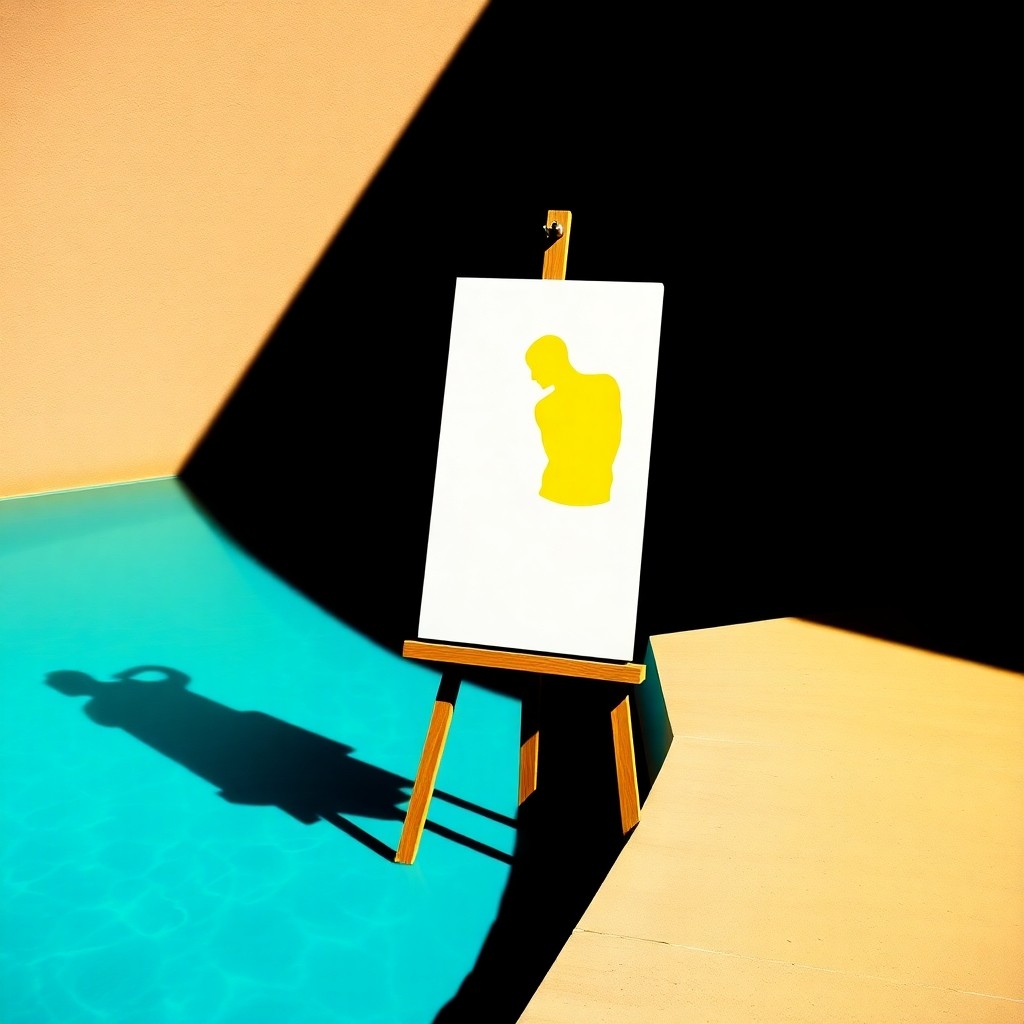
David Hockney, who restored the human form to art, dies at 88David Hockney has died at 88

by The DeskMachine-generated · Human-vetted
Single source
Published 0m ago1 min read
ReviewedMod review
CU
David Hockney, who restored the human form to art, dies at 88
Receipts · confirmed
2 linked receipts from New York Times, Mastodon. Read these before sharing.
View receipts first →
Rising— This story is picking up steam
Freshness 0.67Engagement 0Sources 1.4
XBluesky

01What happened

The story, straight

David Hockney, the British artist who championed figurative painting against the tide of abstraction, died Thursday at age 88. The New York Times confirmed his death in an obituary published June 12, 2026. Hockney, born in 1937 in Bradford, England, became one of the most celebrated painters of the 20th and 21st centuries, known for works like 'A Bigger Splash' (1967) and his monumental Yorkshire landscapes. His career spanned painting, photography, printmaking, and opera set design.

David Hockney died Thursday at 88. Born in 1937 in Bradford, England, he became one of the most recognizable painters alive — 'A Bigger Splash,' the swimming pools, the Yorkshire landscapes, the iPad drawings. The NYT confirmed the death in an obituary published today.

02Spread timeline

Where it actually started

Thu Jun 12, 2026Origin
NYT publishes obituary: 'David Hockney, Who Restored the Human Form to Art, Dies at 88'NYT obituary drops
source
Thu Jun 12, 2026
Art communities on Mastodon begin sharing tributes under #DavidHockneymastodon art community starts mourning
source

03Source receipts

Every claim, linked

New York Times
Full obituary for David Hockney confirming his death at age 88 on June 12, 2026
primaryhackernewssignal
Mastodon
Social tribute post from @settima on mograph.social sharing Hockney's dates (1937–2026) and tagging #DavidHockney
supportingmastodonsignal

04Claim-level check

Claims, status, and receipts

ClaimStatusReceiptsAction
David Hockney died on June 12, 2026 at age 88.sourcedStory receiptsSuggest fix
He was born in 1937 in Bradford, England.sourcedStory receiptsSuggest fix
The New York Times published a full obituary on the day of his death.sourcedStory receiptsSuggest fix
Cause of death and tributes from the broader art world are still emerging.developingStory receiptsSuggest fix

04bReader FAQ

Claims, answered

How this was made

Written byThe Desk (DeepSeek)
Reviewed byAutonomous reviewer
Confidenceconfirmed
Sources2 distinct sources
Vetted by0 readers (0% sourced)

Fills a culture coverage gap (underrepresented) with a high-impact obituary of a major cultural figure — the NYT obituary is a primary source strong enough to anchor the core death claim, and the story is coherent, specific, and culturally relevant to art/internet culture intersections (iPad art, museum culture).

05Why it matters

The editorial take

Hockney's death marks the end of an era for figurative art. He was one of the last living painters whose name alone guaranteed museum attendance worldwide. His insistence that painting could be joyful and legible — even as conceptual art dominated — made him a polarizing but undeniably central figure. He was also a pioneer of digital art, producing iPad paintings that divided critics but expanded the definition of drawing.

One of the last artists whose name alone sold out museums. Hockney made painting feel uncomplicated and gorgeous in an era when the art world wanted anything but. He also drew on iPads before most people took that seriously. The art world is going to be weird without him.

Reader confidencereader check

Tap your read — readers grade the story, not the vibe.tap your read. we grade the story not the vibe.
0votes
No votes yet — be the first to check this story
FixCommunity correctionSuggest a sourced correctionSend a structured fix to moderator review.

Public story text does not change until an admin approves it.

Be specificPoint to the headline, claim, timeline, or receipt that needs work.
Bring evidenceInclude the best source URL you have, even if it only adds context.
Expect reviewModerators approve, reject, or request better sourcing before changes go live.
About trust & governance on Looped
The desk drafted this. Readers check it. Moderators approve corrections.Checks prioritize review; approved changes create version history.
ReviewLast reviewed by moderator
CorrectionsNo approved community corrections yet
Receipts2 attached
Versionv4
LiveLiving story

Every approved fix becomes part of the record.

Looped stories are not disposable posts: receipts, claims, reader checks, and moderator decisions can change the approved version over time.

Current versionv4
Sourced claims3
Open disputes0
Latest trust eventcorrection approved
  1. Desk draft createdFirst structured version
  2. Receipts attached2 linked sources
  3. Moderator reviewedCurrent version approved for readers
  4. Current trust eventcorrection approved
ModAccountability trail

Community input goes through a visible approval path.

StatusApproved by moderator
Trust eventcorrection approved
Approved fixes0
Trust labels should come from receipts, claim status, and moderator approval — not from heat alone.Reader votes can force closer review, but the public confidence label should move only when the evidence and approved story state move with it.
If this story changes, readers should be able to see what changed and why.Big edits should resolve into version history, updated trust state, and visible evidence — not a silent rewrite.
Readers should not have to guess whether a story quietly changed.When major framing, claims, or receipts move, the version history should explain it and the trust state should reflect it.
Standard and Native change the voice, not the facts.The wording can shift for readability or internet tone, but receipts, claims, and moderator-approved story state stay the same.
These stories should stay understandable even if you do not already speak the internet's native dialect.Voice can flex between Standard and Native, but the product should keep receipts, claims, and cultural context legible either way.
Mark as sourced — multiple sources confirmMark as questionable — gaps or conflictsMark as misleading — no credible sources