01What happened
The story, straight
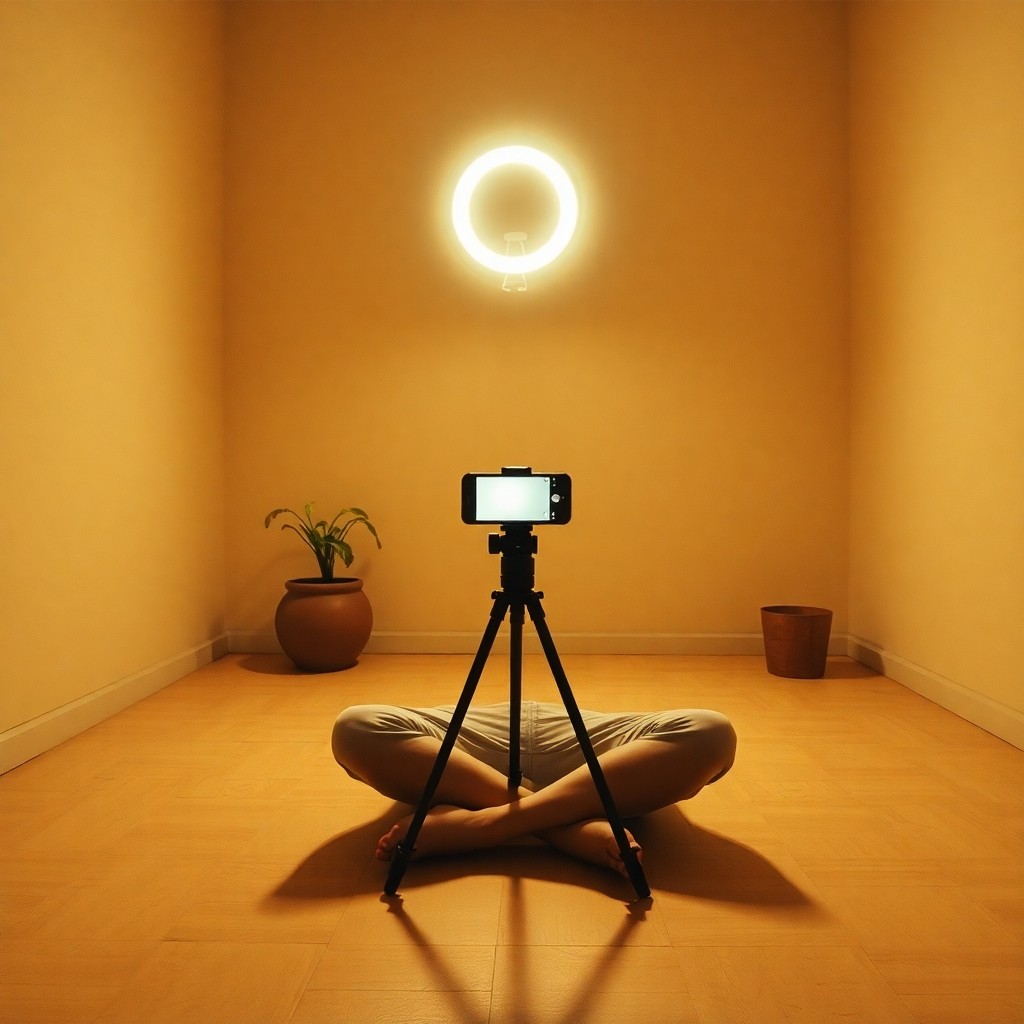
The Guardian published an op-ed by Rachel Connolly on June 15, 2026, arguing that the trend of 'loneliness influencers' — creators who vlog about being alone — promotes a sense of defeatism rather than addressing real loneliness. Connolly describes typical videos as showing a 'childfree and single girl who lives alone' coming home to an empty, spotless apartment with bland generic furnishings devoid of personal effects. She also recounts personal experiences with influencers, noting they often seem twitchy, avoid eye contact, and struggle with normal conversation.
the guardian's rachel connolly wrote a piece going after 'loneliness influencers' — the ones who make content about being alone. she says the videos are basically 'pov you're a childfree single girl who lives alone, here's your friday night' and it's all empty apartments with no personality. she also says the influencers she's met are a strange bunch, twitchy, no eye contact, can't hold a normal convo.
02Spread timeline
Where it actually started
04What's solid, what isn't
Claims by status
- The Guardian published an op-ed by Rachel Connolly on June 15, 2026 criticizing 'loneliness influencers'.
- Connolly's specific anecdotes about influencer behavior may not be representative (she admits her sample is unrepresentative).
05Why it matters
The editorial take
This critique matters because 'loneliness content' is a growing genre on TikTok and Instagram, tapping into a real social epidemic. Connolly's op-ed questions whether these creators are offering genuine connection or just normalizing isolation under a veneer of authenticity. It adds to broader debates about influencer culture and mental health.
loneliness content is everywhere on tiktok right now, and this piece asks whether it's actually helping or just selling cozy defeatism. worth thinking about if you've ever scrolled past a 'solo night in' vlog and felt a little worse.