01What happened
The story, straight
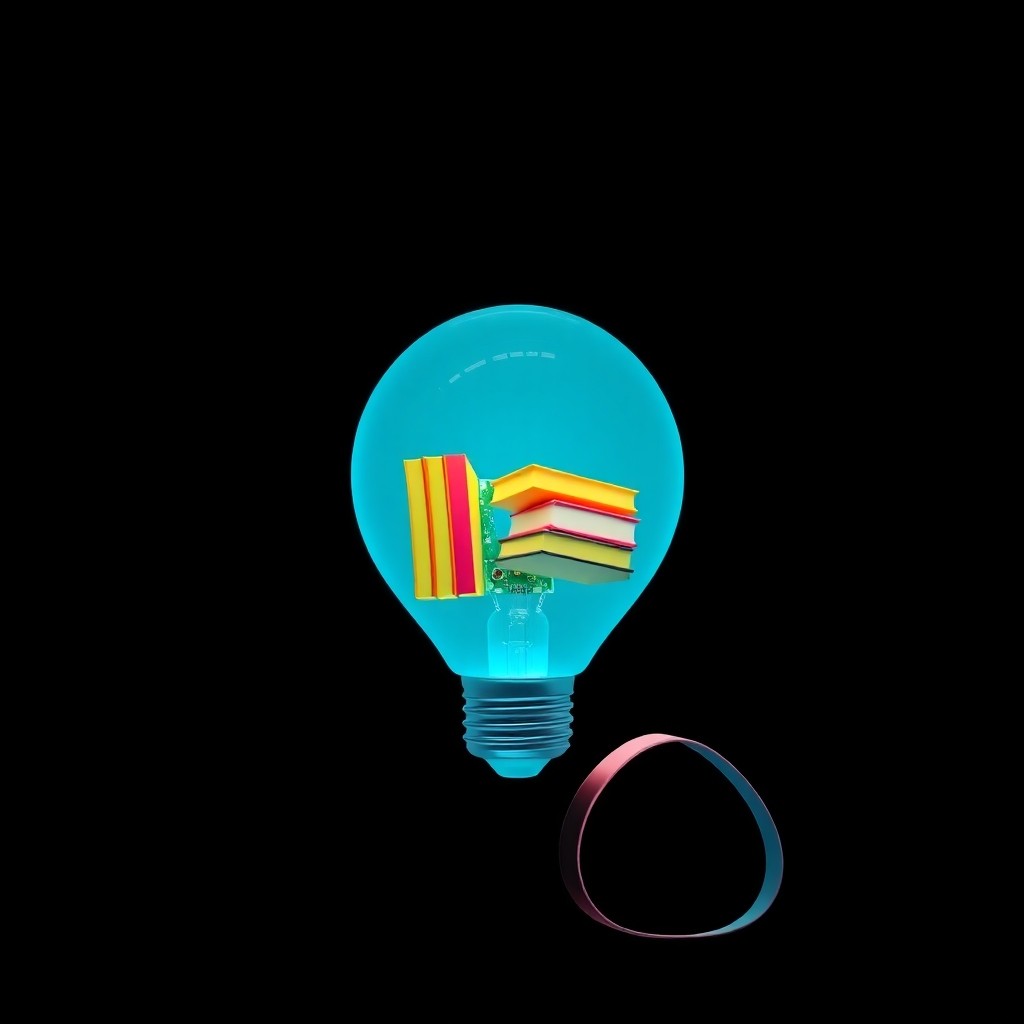
A hacker published a guide to turning a cheap Wi-Fi smart light bulb into a covert banned-book server. The modified device hosts an open Wi-Fi access point and a web server serving digital copies of banned texts — essentially a cyberpunk dead drop disguised as a household appliance. As long as the bulb is powered on, anyone nearby with a wireless device can access the material. The creator, who goes by sohkamyung on Hacker News, said the idea came after reading Ben Brown's work and imagining scenarios where books are banned in a community. The devices are inexpensive enough to scatter across a city as anonymous access points.
someone hacked a cheap wifi smart light bulb to host banned books. the concept: swap the firmware so the bulb broadcasts an open wifi network with a web server full of restricted texts. install it in a ceiling, flip it on, and anyone nearby can connect and read. the creator calls it a "cyberpunk digital dead drop." they published the guide on their personal blog, and it hit the front page of Hacker News. the whole point is that a light bulb is the last thing anyone would suspect.
02Spread timeline
Where it actually started
04What's solid, what isn't
Claims by status
- A hacker published a guide to converting a Wi-Fi smart light bulb into a banned-book server.
- The device hosts an open Wi-Fi access point and web server serving banned book files.
- The project was shared on Hacker News and crossed to Mastodon's tech community.
- The specific model of light bulb used and its exact price point.
- Whether anyone has deployed the device in a real-world censorship scenario.
05Why it matters
The editorial take
The project captures a growing intersection of hardware hacking and censorship resistance. As book bans accelerate across U.S. school districts and libraries — the ALA tracked 4,240 unique titles targeted in 2024 alone — activists are experimenting with increasingly creative distribution methods. A light-bulb server costs under $10 and is nearly impossible to distinguish from any other smart-home device, making it a practical tool for civil-disobedience networks rather than just a thought experiment.
book bans aren't slowing down — the ALA flagged over 4,000 titles targeted last year alone. this light-bulb hack is the kind of low-cost, deniable tech that could actually work in practice. it's cheap, it's invisible, and it runs as long as the power's on. not just a cool project — a real tool for the moment.