01What happened
The story, straight
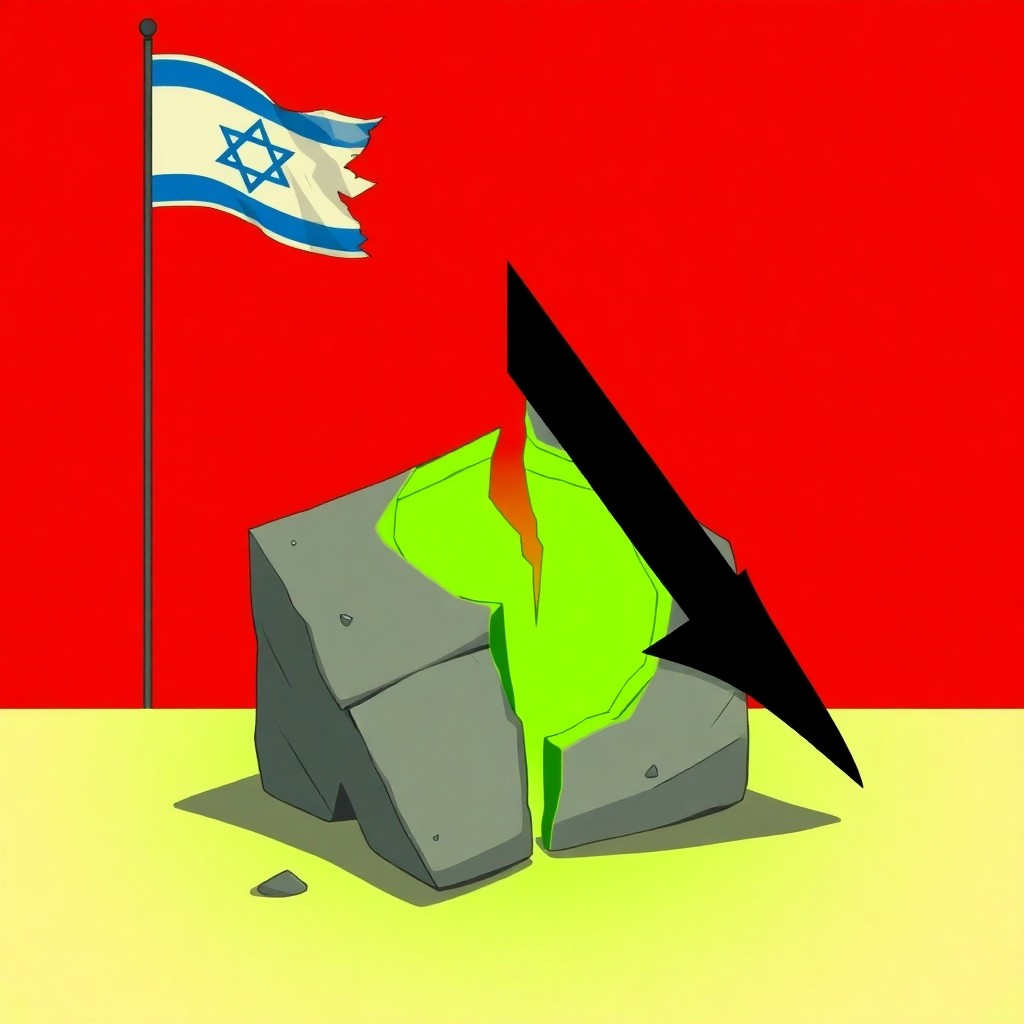
Israeli officials and commentators have pushed back against President Trump's emerging cease-fire agreement with Iran, warning it fails to address core security concerns. Critics told the New York Times the deal does not clarify the fate of Iran's enriched uranium stockpile and lacks sufficient curbs on Tehran's nuclear program. Trump said Sunday that the US and Iran remain on track to sign a deal reopening the Strait of Hormuz, despite Israeli airstrikes in Lebanon that reportedly angered Tehran. At the war's outset in February, Netanyahu had stated Israel's objective was eliminating 'existential threats' including Iran's nuclear capabilities and ballistic missile program.
Israeli critics are calling Trump's Iran peace deal a 'Bad Deal' — the main complaint: it doesn't actually answer what happens to Iran's enriched uranium or put real limits on their nuclear program. Trump says they're still on track to sign and reopen the Strait of Hormuz, even after Israeli airstrikes in Lebanon reportedly pissed off Tehran. Back in February Netanyahu said the whole point was eliminating Iran's nuclear threat. Now Israeli officials briefed on the deal say it doesn't get there.
02Spread timeline
Where it actually started
04What's solid, what isn't
Claims by status
- The US and Iran, with Pakistani mediation, have announced a deal to end the war.
- Israeli critics have publicly opposed the deal, calling it a 'Bad Deal.'
- Trump stated the deal would reopen the Strait of Hormuz.
- The exact terms of Iran's nuclear program curbs in the cease-fire agreement.
- Whether the enriched uranium stockpile disposition is addressed at all.
- Israeli official response may escalate if the deal proceeds without amendments to nuclear provisions.
05Why it matters
The editorial take
The backlash highlights a fundamental tension in the US-led coalition: Israel entered the war in February to neutralize Iran's nuclear capabilities, but the cease-fire terms reportedly leave those questions unresolved. With Pakistan mediating and the Strait of Hormuz as a key bargaining chip, the deal's critics argue it prioritizes shipping lanes over the security architecture Israel demanded at the outset.
This is the gap between what the war was sold as and what the deal actually delivers. Israel went in to kill the nuclear threat. The deal apparently doesn't. Strait of Hormuz reopens, enriched uranium stays a question mark — and that's the problem for Jerusalem.