01What happened
The story, straight
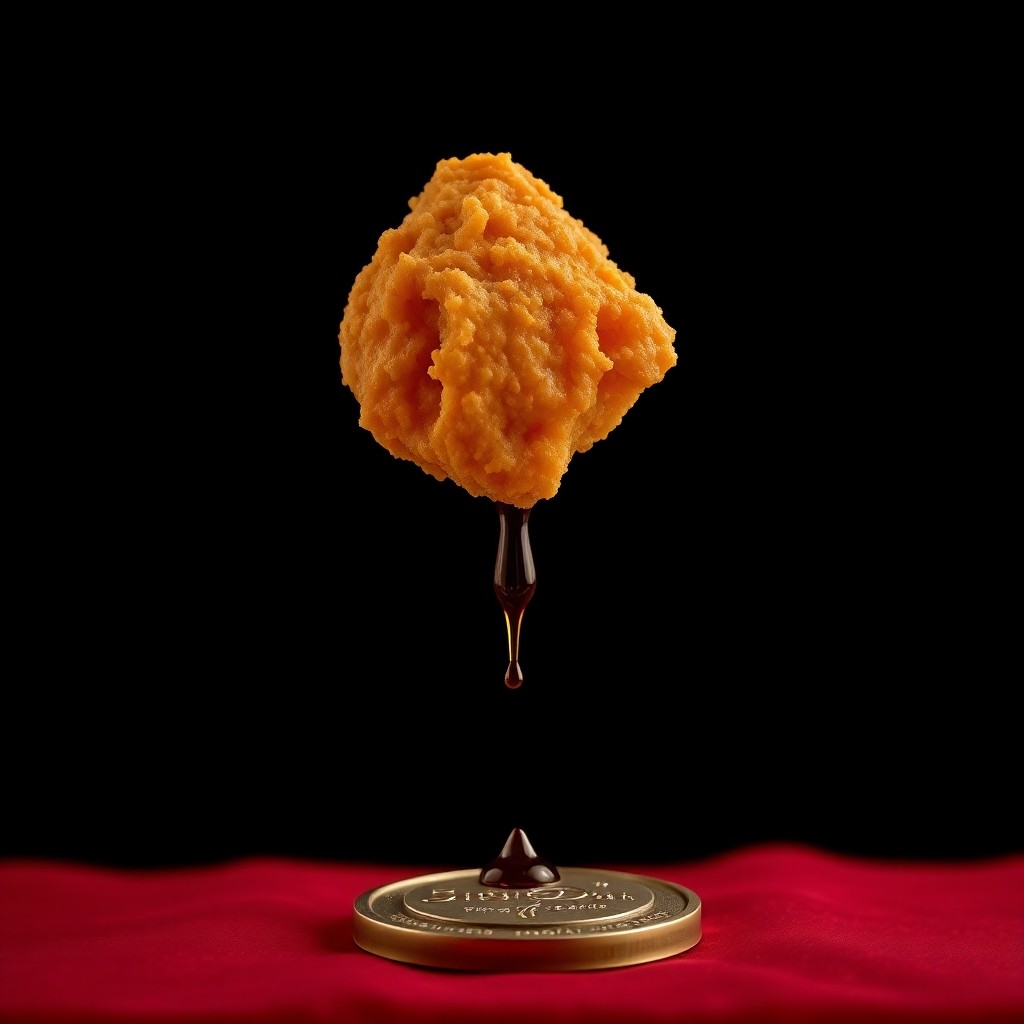
Wakatori, a fried chicken restaurant in Japan, won a gold medal at the Japan Fried Chicken Grand Prix with a secret ingredient: cooking oil dating back to the shop's opening in the 1960s. Third-generation owner Yoshihiro Tsuchiya revealed in a victory interview that the oil, maintained through daily cleaning and filtering, has been in continuous use for roughly 60 years. Social media users reacted with alarm, accusing the restaurant of endangering public health, but the owners say staff remove impurities and top off the oil daily.
a japanese fried chicken spot called Wakatori just won gold at the Japan Fried Chicken Grand Prix and the secret is fry oil from the 1960s. owner Yoshihiro Tsuchiya — third generation — casually dropped this in a victory interview. the internet freaked out, obviously. but the shop says they clean and filter the oil daily, scrape out meat scraps, and top it up. 60 years of flavor, they claim.
02Spread timeline
Where it actually started
04What's solid, what isn't
Claims by status
- Wakatori, a fried chicken restaurant in Japan, won a gold medal at the Japan Fried Chicken Grand Prix.
- Owner Yoshihiro Tsuchiya is the third-generation operator of the restaurant.
- Tsuchiya revealed the oil dates back to the restaurant's opening in the 1960s.
- Social media users criticized the practice as a food safety risk.
- The exact daily maintenance protocol used to preserve the oil for 60 years.
- Whether the oil has been continuously in use without replacement since the 1960s or periodically refreshed.
05Why it matters
The editorial take
The story sits at the intersection of culinary tradition and food safety panic — two things the internet loves to argue about. Reusing oil for decades sounds alarming to modern sensibilities, but the daily maintenance protocol the shop describes mirrors practices in some long-standing East Asian kitchens. Whether the gold medal validates the method or the backlash overrules it is a debate that won't be settled on social media.
this is peak internet discourse bait: a food safety scare dressed up as a feel-good tradition story. half the replies are 'that's disgusting' and the other half are 'actually this is how it works in old-school kitchens.' the gold medal gives it legitimacy, the 60-year timeframe gives it outrage. everyone's right and no one's changing their mind.