01What happened
The story, straight
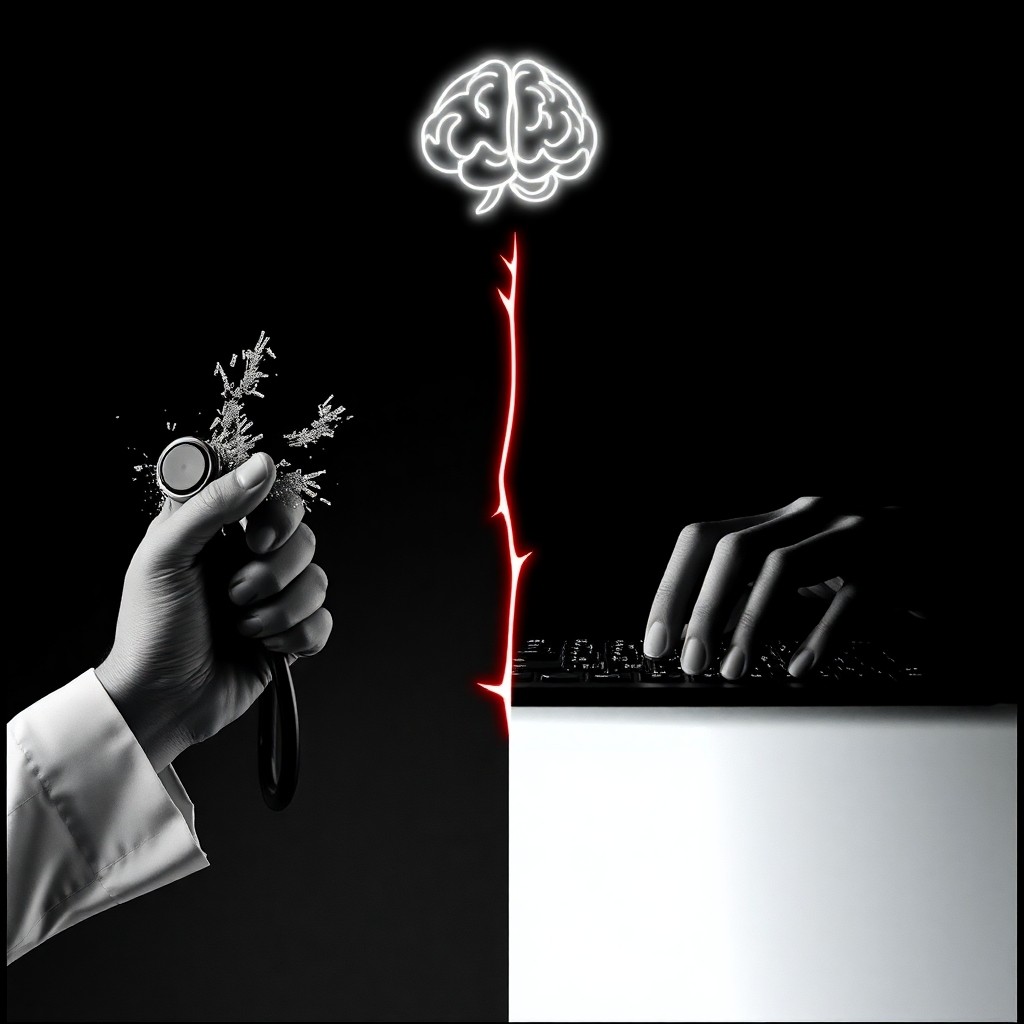
A Nature review published June 19 aggregates early research on how reliance on AI tools degrades professional skills. Studies cited focus on two groups — physicians and software engineers — finding measurable declines in core competencies when practitioners lean on AI assistance. The piece frames the findings as initial but concerning, not a definitive indictment.
Nature dropped a review piece looking at early data on whether AI tools are making professionals worse at their jobs. the short answer for both doctors and software engineers: yes, at least so far. the studies point to measurable skill erosion when people lean on AI copilots instead of doing the work themselves.
02Spread timeline
Where it actually started
04What's solid, what isn't
Claims by status
- Nature published a review on June 19 examining early research into AI-related skill degradation.
- The review covers studies involving physicians and software engineers specifically.
- The specific magnitude of skill decline measured across the studies cited.
- Whether the review references peer-reviewed longitudinal studies or shorter-term observational data.
- Potential replication across other AI-assisted professions beyond medicine and engineering.
05Why it matters
The editorial take
The piece lands amid a broader arms race where every major tech company is pushing AI copilots into professional workflows — coding assistants for developers, diagnostic AI for clinicians — with minimal longitudinal study of downstream effects. If early skill-degradation signals hold at scale, the implications extend well beyond two professions.
every tech company is racing to put AI copilots in front of doctors and engineers, and basically nobody has done the long-term homework on what that does to actual competence. the fact that the first wave of data is already flagging erosion in two high-stakes fields is the kind of thing that should slow the sales pitch down — but won't.