01What happened
The story, straight
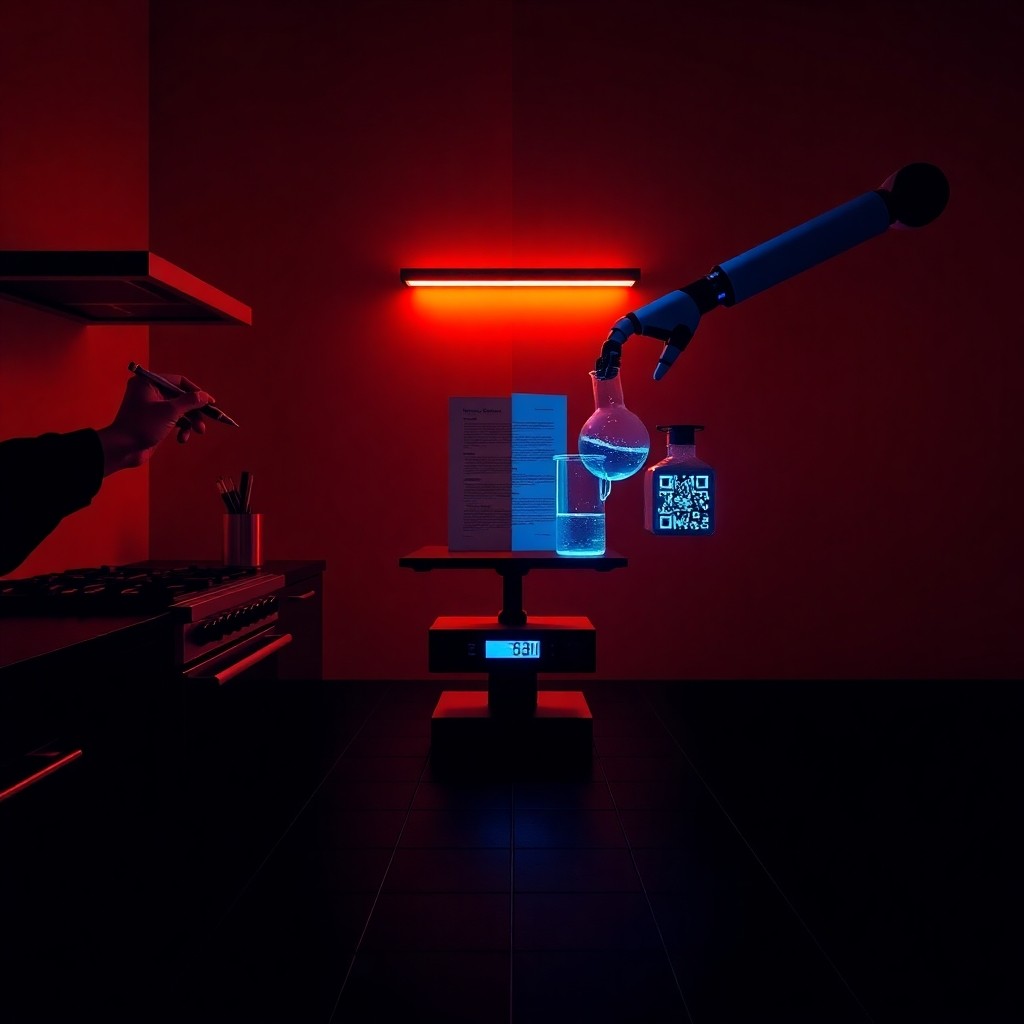
People Inc., the media company behind brands including People, Entertainment Weekly, and Food & Wine, has built an internal 'test kitchen' where human editors and AI tools compete head-to-head on content production. The initiative, reported by the New York Times, is designed to identify where AI-generated output falls short — and where human editorial judgment still holds an edge. The company is training staff to spot AI slop while also exploring where automation can genuinely improve workflows without sacrificing quality.
people inc. — the media conglomerate behind people, entertainment weekly, food & wine, and a bunch of other legacy brands — built out an internal 'test kitchen' where human editors go head-to-head against AI tools to see who produces better content. the NYT got a look inside. the point: figure out exactly where AI output is slop and where human judgment still matters. staff are being trained to spot AI-generated drivel while the company tests where automation actually helps without tanking quality.
02Spread timeline
Where it actually started
04What's solid, what isn't
Claims by status
- People Inc. has built an internal AI 'test kitchen' to compare human and AI-generated content.
- The specific editorial brands participating in the initiative beyond those mentioned.
- How the test kitchen results will shape People Inc.'s long-term staffing and AI deployment strategy.
05Why it matters
The editorial take
As media companies race to integrate generative AI into newsrooms, People Inc.'s approach is notable for its emphasis on structured human-AI comparison rather than blanket adoption. The 'test kitchen' model — borrowed from the company's own food-media DNA — could become a template for other publishers trying to balance efficiency with editorial integrity. It arrives as trust in AI-generated media remains low and audiences grow more skeptical of algorithmically produced content.
most media companies are either panic-adopting AI or pretending it doesn't exist. people inc. is doing neither — they built a literal lab to stress-test where AI helps and where it produces garbage. the 'test kitchen' framing is on-brand (they own food & wine, after all) but the model is genuinely interesting: structured comparison instead of vibes-based deployment. if audiences keep getting worse at trusting AI content, this kind of transparency play might actually matter.