01What happened
The story, straight
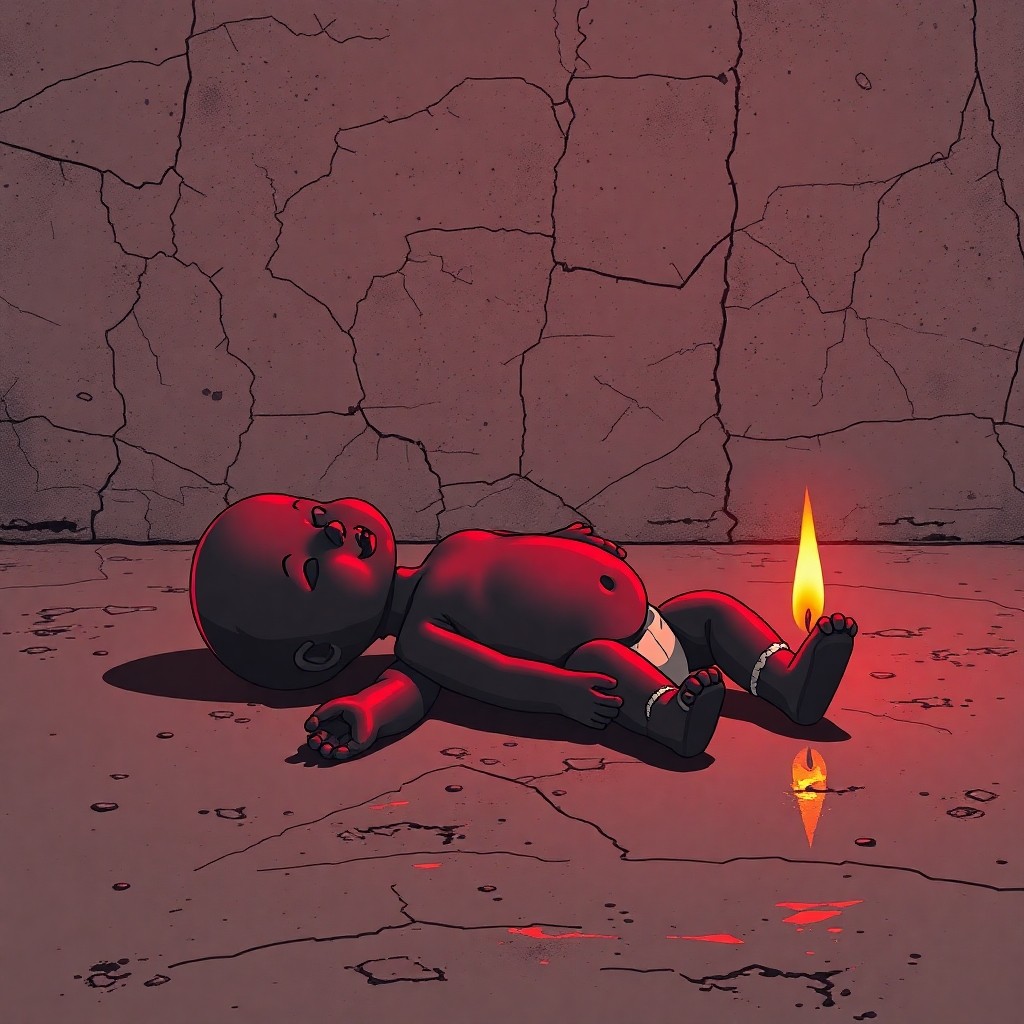
A viral trend involving cheap dark-skinned baby dolls marketed as 'Natasha' stress-relief toys has ignited backlash across social media platforms. Videos showing the Black baby dolls being thrown, burned, and destroyed in exaggerated 'stress relief' skits have spread widely, drawing accusations of racism and dehumanization. The dolls, mass-produced and sold cheaply online, became a meme format in which creators film themselves violently discarding them. Indian outlets Firstpost and Asianet Newsable both published explainers on June 18 documenting the trend and the growing outrage.
cheap dark-skinned baby dolls sold as 'natasha' stress-relief toys became a meme format where people film themselves throwing and destroying them. the videos are spreading fast and getting called racist — creators are using Black baby dolls as the butt of violent 'stress relief' skits. indian outlets firstpost and asianet newsable both covered the backlash on june 18.
02Spread timeline
Where it actually started
04What's solid, what isn't
Claims by status
- A viral trend involves cheap dark-skinned baby dolls marketed as 'Natasha' stress-relief toys being destroyed in social media videos.
- The trend has drawn backlash and accusations of racism from online communities and media outlets.
- Indian outlets Firstpost and Asianet Newsable both published coverage of the backlash on June 18, 2026.
- The exact origin of the trend and which platform it first gained traction on.
- Whether the dolls are being sold specifically for this trend or predate the meme.
- Whether platforms will take action to remove or limit spread of the videos.
- Broader international media pickup beyond Indian outlets.
05Why it matters
The editorial take
The trend sits at the intersection of viral meme culture and racial insensitivity — cheap mass-produced dolls become content props, and the pattern of destroying specifically dark-skinned baby dolls mirrors broader concerns about how anti-Blackness manifests in online spaces across cultures. It's the kind of trend that starts as 'just a joke' and escalates into something communities have to actively push back against.
this is the kind of trend that starts as 'just a meme' and ends with people having to explain why destroying Black baby dolls on camera isn't funny. anti-Blackness showing up in meme formats across different countries and platforms isn't new — it's a pattern, and calling it out matters.