01What happened
The story, straight
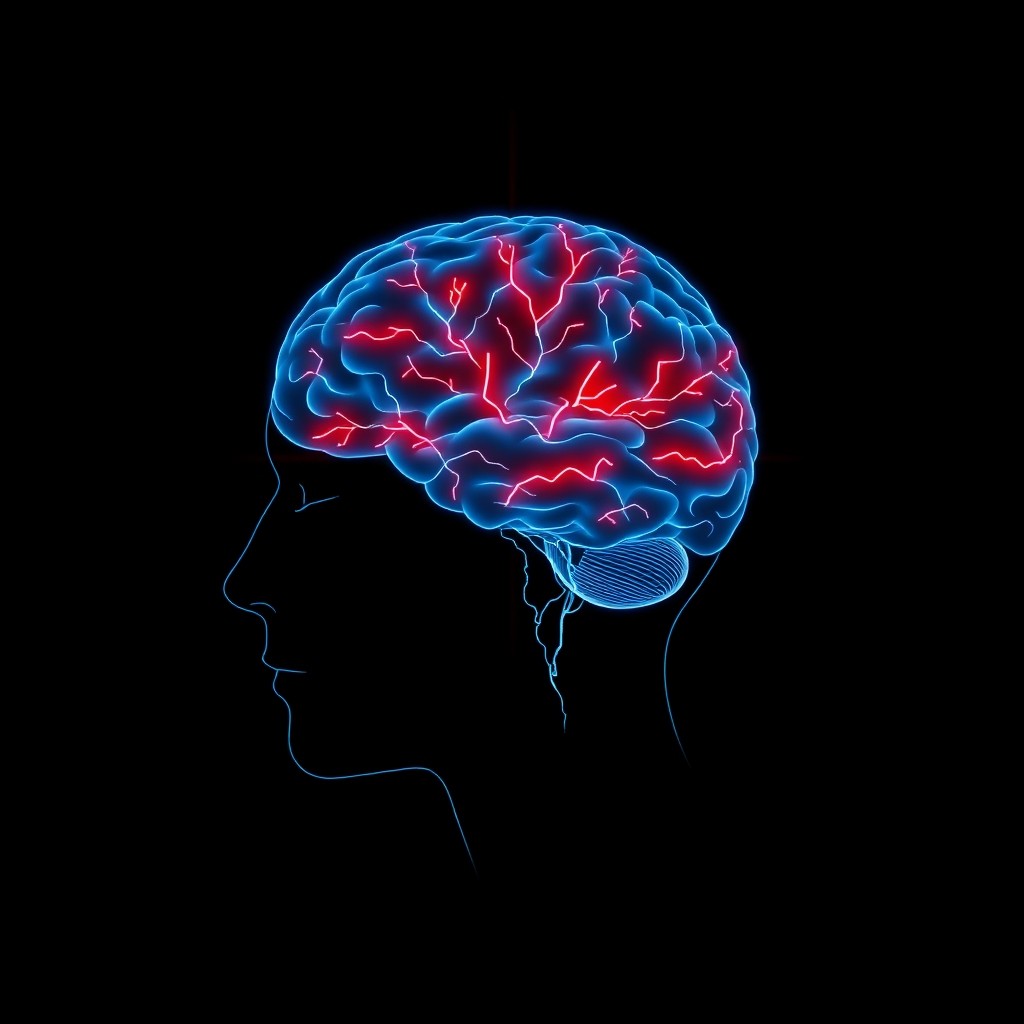
A new analysis published via ScienceDaily argues that widespread news avoidance is a predictable neurological response, not laziness or civic decline. The piece cites the Reuters Institute's 2025 Digital News Report, which found 69 percent of Canadians at least occasionally avoid the news — the highest figure ever recorded. Globally, 40 percent report sometimes or often avoiding news, with respondents citing mood deterioration, feeling overwhelmed, and a sense of powerlessness. The author, a developmental psychology researcher, frames the phenomenon as a brain meeting an environment it was never designed to process.
people keep telling researchers they stopped checking their phones in the morning — not because nothing's happening, but because everything is. Reuters Institute's 2025 Digital News Report shows 69% of Canadians now avoid news at least sometimes, highest number ever tracked. globally it's 40%, also a record. top reasons: bad mood, feeling overwhelmed, powerless to do anything. the researcher behind this piece says it's not a generational failing — it's a brain running into a media environment it literally wasn't built for.
02Spread timeline
Where it actually started
04What's solid, what isn't
Claims by status
- Reuters Institute's 2025 Digital News Report found 69% of Canadians at least occasionally avoid the news.
- 40% of people globally report sometimes or often avoiding news, the highest figure ever recorded.
- The author is a developmental psychology researcher focusing on social development and psychological well-being.
- The specific claim that news fatigue is a 'predictable neurological response' — the article is an opinion/analysis piece, not a peer-reviewed study.
- The exact percentage figures in the original Reuters Institute report (single-source via the author's interpretation).
05Why it matters
The editorial take
The data points to a structural mismatch between human cognition and the modern news cycle. As news avoidance hits record highs across multiple countries, the implications extend beyond media consumption — they signal a growing crisis in how societies stay informed and engaged. If nearly 70 percent of one country's population is intermittently tuning out, the assumption that information access equals civic participation needs rethinking.
this isn't a willpower problem. it's a brain-overload problem. when 69% of a country is avoiding the news and people describe it as 'standing under a waterfall,' that's a system failing at the interface level. the information environment scaled past what human cognition can handle, and the avoidance is the coping mechanism.