01What happened
The story, straight
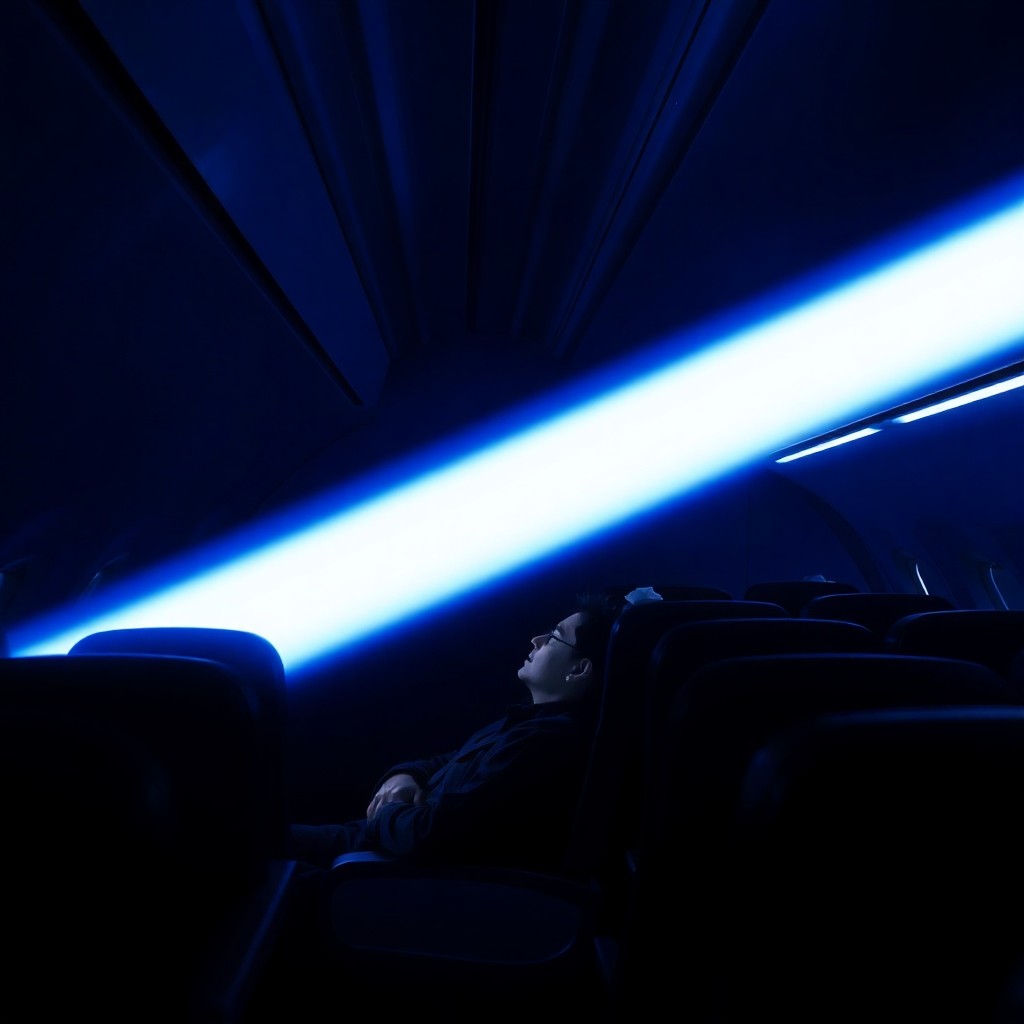
Qantas is deploying sleep science and circadian light therapy on its ultra-long-haul routes, including the 20-hour Sydney-to-London and Sydney-to-New York nonstops. The airline is working with researchers to engineer cabin lighting, meal timing, and in-flight activity schedules designed to minimize jet lag and keep passengers functional across what would be the longest scheduled flights in commercial aviation. The approach draws on decades of chronobiology research into how controlled light exposure can shift human circadian rhythms.
qantas is engineering your entire circadian cycle at 35,000 feet so you don't arrive in london looking like a zombie after 20 hours in a metal tube. they're manipulating cabin lighting, meal schedules, and when you're supposed to sleep based on actual chronobiology research. the sydney-london and sydney-nyc routes would be the longest scheduled flights ever, and the airline is betting that science — not just legroom — is what'll make people pay for them.
02Spread timeline
Where it actually started
04What's solid, what isn't
Claims by status
- Qantas is applying chronobiology research — controlled light exposure, meal timing, and activity scheduling — to its ultra-long-haul Sydney-London and Sydney-New York routes.
- These routes, at roughly 20 hours nonstop, would be the longest scheduled commercial flights ever.
- The specific researchers or institutions Qantas is collaborating with on the circadian light therapy program.
- The exact timeline for full implementation across all ultra-long-haul routes.
05Why it matters
The editorial take
Ultra-long-haul flights represent the next frontier in commercial aviation economics, and Qantas's willingness to invest in applied sleep science signals that airlines see passenger wellbeing as a competitive differentiator — not just an amenity. If the research-backed approach works, it could reshape cabin design across the industry and make 20-hour routes viable for mainstream travelers, not just business-class elites.
this is an airline spending real money on chronobiology instead of just adding another inch of legroom. if qantas cracks the 20-hour flight problem with actual science, every carrier doing ultra-long-haul has to follow. the fact that a legacy airline is consulting sleep researchers — not just seat designers — tells you where premium air travel is heading.