01What happened
The story, straight
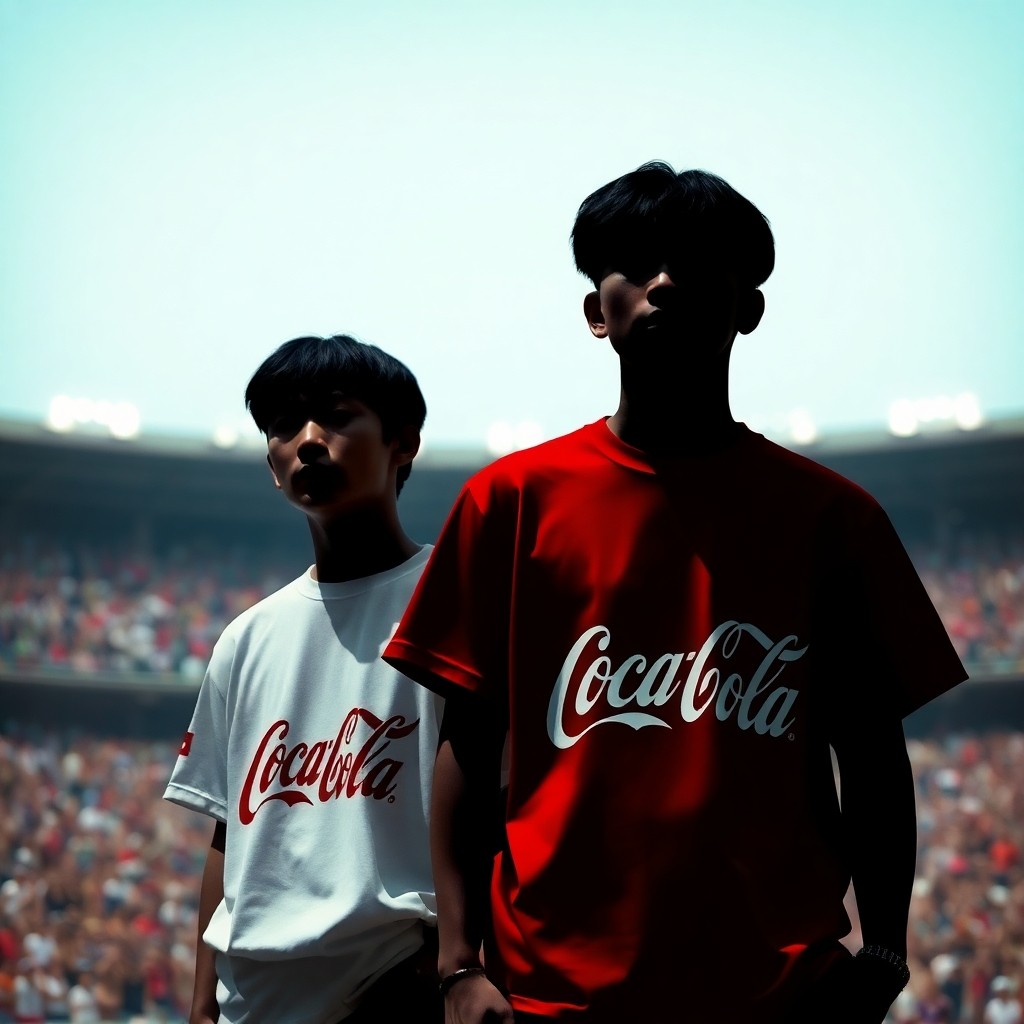
aespa members Karina and Winter attended the South Korea vs. Czech Republic match at the FIFA World Cup 2026 in Mexico on June 11, wearing Coca-Cola branded shirts. Photos from the event went viral, triggering backlash because Coca-Cola appears on pro-Palestinian boycott lists due to the brand's perceived ties to the situation in Gaza. The controversy escalated as fans drew comparisons to BTS's V, who faced similar criticism for a past Coca-Cola promotion, with many questioning why the response to the aespa members appeared less intense.
Karina and Winter flew to Mexico for the World Cup and showed up in Coca-Cola shirts at the South Korea vs. Czech Republic match on June 11. The pics spread fast, and the backlash hit just as quick — Coca-Cola's on the boycott list over Gaza, and kpop fans have been calling out idols who promote the brand. But the discourse pivoted: ARMY pointed out that BTS's V got dragged way harder for a similar Coca-Cola tie-in, and now people are arguing about whether female idols get treated differently than male ones in these situations.
02Spread timeline
Where it actually started
04What's solid, what isn't
Claims by status
- Karina and Winter attended the South Korea vs. Czech Republic match at the FIFA World Cup 2026 in Mexico on June 11.
- Photos show both wearing Coca-Cola branded shirts.
- Coca-Cola is on boycott lists related to the Gaza conflict.
- BTS's V previously faced criticism for a Coca-Cola promotion.
- The exact nature and severity of the backlash against Karina and Winter compared to V's prior controversy.
- Whether the gendered double standard claim is supported by measurable differences in response intensity.
- aespa's management has not publicly responded to the controversy.
- The broader discourse on whether K-pop boycott movements are applied selectively.
05Why it matters
The editorial take
The incident highlights a growing tension in K-pop fandom around brand boycotts tied to geopolitical conflicts, and how those boycotts are enforced unevenly across genders. Coca-Cola partnerships are a longstanding staple of World Cup sponsorships, but the Gaza-related boycott movement has turned routine promotional appearances into flashpoints. The comparison to BTS's V underscores how fandoms weaponize accountability selectively.
This is the intersection of kpop stan culture, geopolitical boycotts, and gendered double standards — all colliding at the biggest sporting event on the planet. Whether the criticism of Karina and Winter is genuine moral outrage or fandom point-scoring depends on who you ask. Either way, Coca-Cola sponsorships aren't the safe brand play they used to be.