01What happened
The story, straight
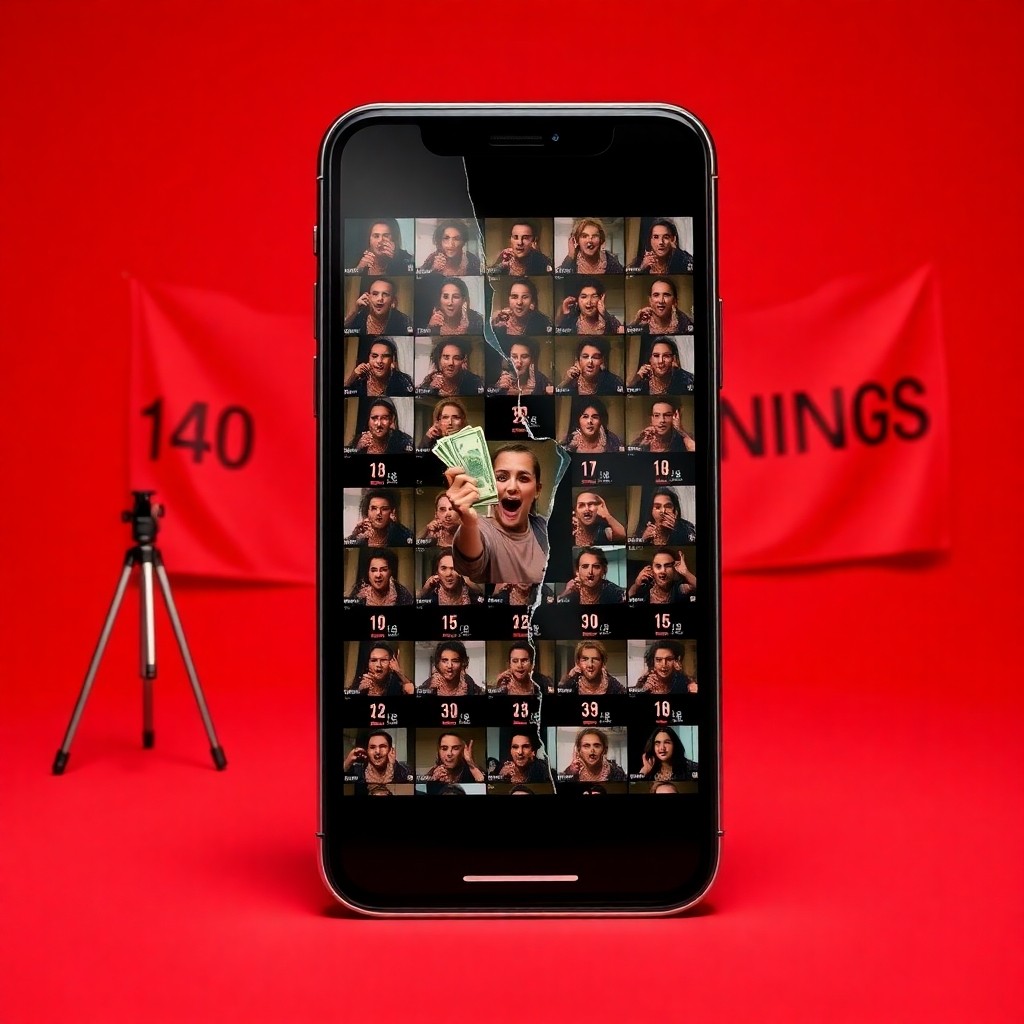
A Wall Street Journal investigation found that Polymarket paid creators to film themselves placing fake bets and celebrating fabricated wins on social media. The Journal identified over 1,100 deceptive clips, none of which involved real wagers. Creators confirmed to WSJ they were compensated by Polymarket, though the videos never disclosed the arrangement. Subtle giveaways — like one clip showing a visit to 'poiymarket.com' instead of polymarket.com — exposed the clips as staged.
Wall Street Journal dug into Polymarket and found the company was paying people to film fake bets and fake wins for social media. 1,100+ clips identified, none of them were real wagers. Creators told WSJ they got paid but never disclosed it in the videos. One clip literally had someone visiting 'poiymarket.com' — misspelled domain, dead giveaway.
02Spread timeline
Where it actually started
04What's solid, what isn't
Claims by status
- Polymarket paid creators to film fake bets and fake wins on social media.
- The Wall Street Journal identified over 1,100 deceptive clips, none involving real wagers.
- Creators confirmed to WSJ they were compensated by Polymarket.
- Videos did not disclose the paid arrangement.
- At least one clip showed a misspelled domain ('poiymarket.com').
- The exact amount Polymarket paid individual creators.
- Whether Polymarket's leadership directly authorized the campaign or it was outsourced.
- Potential regulatory scrutiny of Polymarket's promotional practices.
- Whether other prediction market platforms have run similar campaigns.
05Why it matters
The editorial take
Prediction markets have positioned themselves as legitimate financial instruments, and Polymarket in particular has sought mainstream credibility. An orchestrated astroturfing campaign of over 1,100 fake clips — discovered by the Journal — undermines that pitch and raises questions about what else the platform may have inflated. It also adds to the growing pattern of platforms using undisclosed paid promotion disguised as organic user content.
prediction markets want to be taken seriously as real finance. Running 1,100+ fake hype clips with paid actors is the opposite of that. This is the kind of thing that tanks credibility with regulators and users alike — especially when the WSJ is the one who found it.